Costa Rica is a heaven for adventure seekers, and white water rafting is one of its most exhilarating experiences. With rivers coursing through lush rainforests and dramatic canyons, the country offers a variety of rapids for both beginners and seasoned rafters. However, to make the most of your whitewater adventure, it’s essential to pack the right gear. Here’s a comprehensive guide on what to bring for white water rafting in Costa Rica.
1. Essential Clothing
Quick-dry and Lightweight Apparel
When you’re rafting, you’re going to get wet—there’s no way around it! Opt for quick-drying clothing like synthetic T-shirts, shorts, or leggings. Avoid cotton as it absorbs water and takes longer to dry, making you feel cold and uncomfortable.
Swimwear
Wear a swimsuit or trunks under your clothing. Some people prefer wearing only their swimwear, but having a layer of quick-dry clothing provides additional protection against the sun and chafing.
Footwear with Good Traction
Water shoes or sandals with secure straps (like Tevas or Chacos) are ideal. These will protect your feet while ensuring you don’t lose your footwear in strong currents. Avoid flip-flops, as they can easily slip off.
2. Safety and Protective Gear
Life Jacket and Helmet
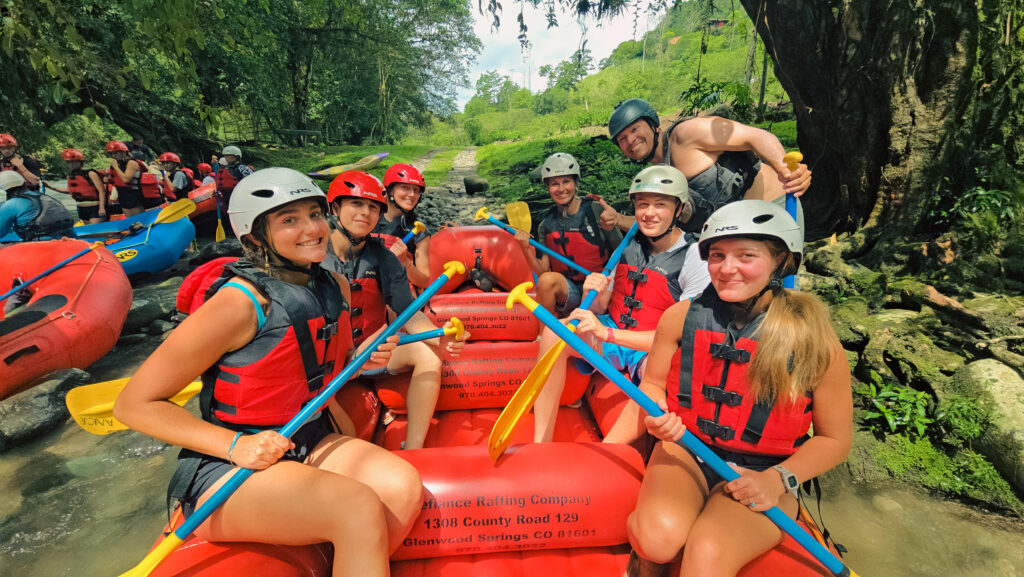
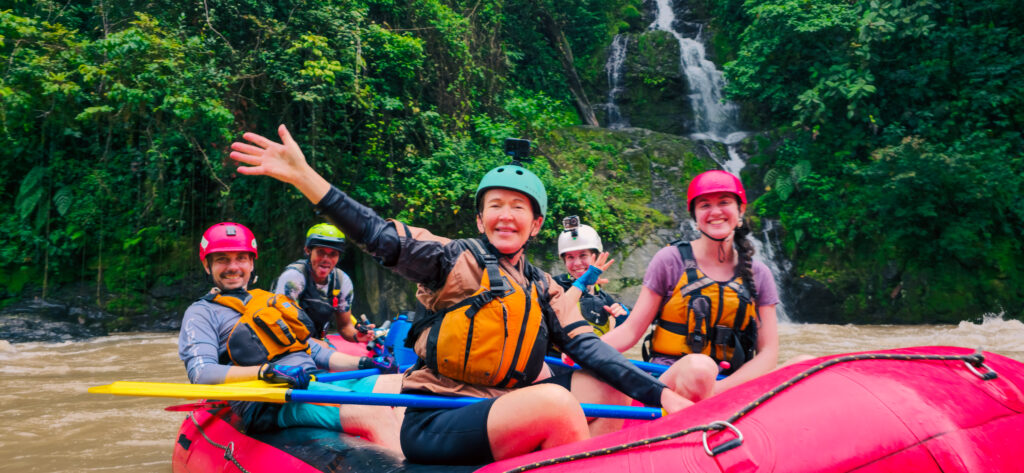
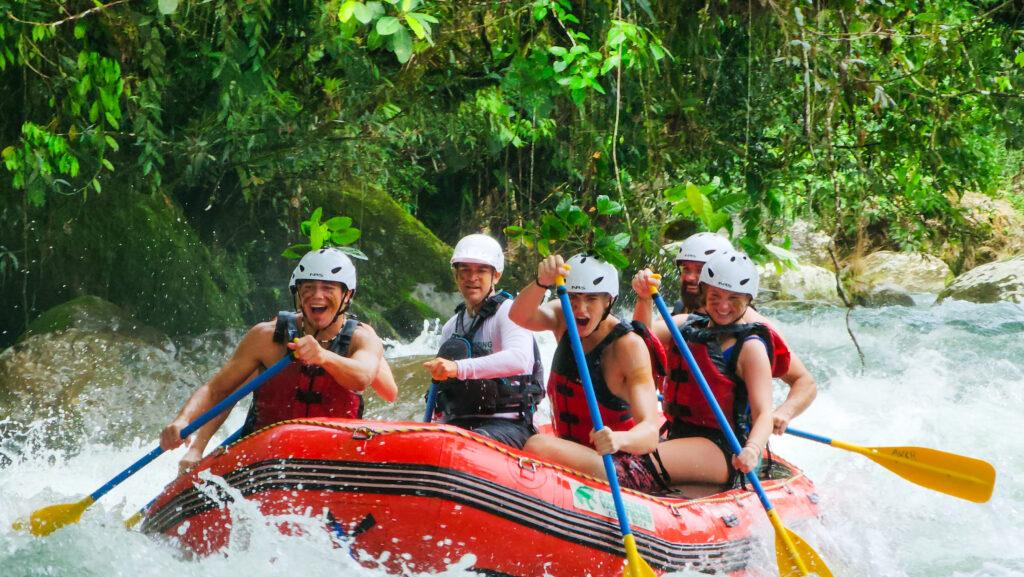
Most reputable rafting companies in Costa Rica provide life jackets and helmets. However, if you have your gear and prefer using it, ensure it meets safety standards. A well-fitted life jacket is crucial for buoyancy, and a helmet protects you from potential head injuries if you encounter rocky terrain.
Sunglasses with Retainer Straps
Protect your eyes from the sun’s glare reflecting off the water. Choose polarized sunglasses for better visibility. Don’t forget retainer straps to keep them secure; the last thing you want is to lose your sunglasses in the river.
3. Sun Protection
Water-Resistant Sunscreen
Costa Rica’s tropical sun can be intense, even when you’re splashing through rapids. Apply a water-resistant sunscreen with a high SPF rating to protect your skin. Reapply as needed, especially after prolonged exposure to water.
4. Hydration and Energy
Reusable Water Bottle
Staying hydrated is vital, especially under the tropical sun. Bring a reusable water bottle, preferably one that’s insulated to keep your water cool. Some rafting companies have designated stops where you can safely access your belongings and take a sip.
High-Energy Snacks
Rafting can be physically demanding, so pack lightweight, high-energy snacks like protein bars, trail mix, or dried fruit. These will help you maintain your energy levels, especially during full-day excursions.
5. Personal Items
Waterproof Dry Bag
A small dry bag is perfect for storing essentials like your phone, wallet, and any personal items you might need. Even if your guide has a communal dry bag, having your own ensures quick access to your belongings.
GoPro or Waterproof Camera
If you want to capture your rafting adventure, bring a waterproof camera or GoPro. Many rafters use chest mounts or helmet mounts for hands-free filming, allowing them to focus on paddling while still capturing incredible footage.
Travel Insurance Documentation
While not something to pack physically, ensure you have travel insurance that covers adventure activities like white water rafting. Keep a digital or printed copy of your policy details in case of emergencies.
6. After-Rafting Essentials
Change of Clothes
After a day on the river, you’ll want to get into something dry and comfortable. Pack a complete change of clothes, including undergarments and socks.
Towel
A lightweight, quick-drying travel towel is perfect for drying off after your adventure. Some companies may provide towels, but it’s always good to have your own just in case.
Plastic Bag for Wet Clothes
Pack a plastic or waterproof bag to store your wet clothes and keep the rest of your belongings dry.
7. Optional but Useful Items
Bug Spray
Depending on the location, you might encounter mosquitoes or other insects. A good bug spray will keep them at bay, especially if your tour includes stops along the riverbanks.
Neoprene Gloves
If you’re rafting during the rainy season or in cooler regions, neoprene gloves can keep your hands warm and protect against blisters from the paddles.
First Aid Kit
While your guide will likely carry a first aid kit, having a small personal kit with band-aids, antiseptic wipes, and pain relievers can be handy for minor scrapes or discomfort.
Final Tips for a Memorable Adventure
- Check Weather Conditions: Costa Rica’s rivers vary in difficulty depending on the season. During the rainy season (May to November), the rapids tend to be more intense, offering a thrilling experience for seasoned rafters. The dry season (December to April) is ideal for beginners.
- Listen to Your Guide: Safety is paramount, so follow your guide’s instructions closely. They are experienced in navigating Costa Rica’s rivers and ensuring your adventure is both safe and enjoyable.
- Bring a Sense of Adventure: White water rafting is as much about enjoying the journey as it is about the thrill of the rapids. Embrace the stunning landscapes, wildlife, and camaraderie with your fellow rafters.
Frequently Asked Questions (FAQs)
Costa Rica offers white water rafting year-round, but the experience varies depending on the season. The rainy season (May to November) brings higher water levels and more intense rapids. Meanwhile, the dry season (December to April) features lower water levels, making it a great time for beginners and those who prefer a more relaxed ride.
No prior experience is necessary! Costa Rica has rafting options for all skill levels. Rivers like the Pacuare River and Savegre River offer a mix of beginner-friendly sections and challenging rapids for seasoned rafters. Reputable tour operators provide guides and safety instructions before your adventure, ensuring that even first-timers can participate safely.
Yes, as long as you book with a licensed and reputable rafting company. Professional guides are trained in first aid, rescue techniques, and rapid navigation. You’ll also be equipped with a helmet, life jacket, and safety gear to ensure a secure adventure. Always follow your guide’s instructions and wear proper attire to minimize risks.
Yes, but it needs to be waterproof! If you want to capture the adventure, GoPros or waterproof action cameras (with a chest or helmet mount) are your best bet. Some rafting companies offer photo and video packages, so check with your provider if you prefer to leave your devices behind. A small waterproof dry bag can help protect valuables like phones and wallets.
Costa Rica’s rivers are categorized into different rapid classes:
- Class I-II: Gentle and beginner-friendly (e.g., Peñas Blancas River)
- Class III: Moderate difficulty with some exciting waves (e.g., Savegre River)
- Class IV-V: High-intensity, challenging rapids for experienced rafters (e.g., Pacuare River)
- If you’re a beginner, stick with Class I-III rapids. If you’re seeking adventure, opt for Class IV-V but ensure you’re physically prepared.
Ready to plan your Costa Rican adventure?
Experience the wonders of Costa Rica with Amazing Vacations Costa Rica! We craft personalized adventures, from thrilling activities to peaceful escapes. Let us handle the details while you enjoy breathtaking beaches, rainforests, and cultural gems. Contact us today to start planning your unforgettable journey!