
My Costa Rica Vacations
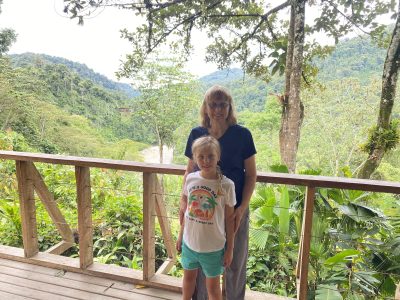
I just returned from my second trip to Costa Rica. Both were equally memorable and I can’t wait to return. The first time was a tour with nine 50+ aged adults. We spent time in fascinating museums and archeological ruins, visiting an inactive volcano (one of 100 volcanoes there!), hiking in the rain forest, learning how chocolate is made, and going on a boat tour on the Sarapiqui River where we saw so many birds, sloths, and monkeys. One member of our group even reconnected with a friend in Turrialba whom he’d known forty years ago! We explored the interior of Costa Rica, eating so much delicious food, and meeting some genuinely caring people. Unlike some countries in Central America, we could safely drink the water out of the taps. I took many pictures of the unique flowers there.
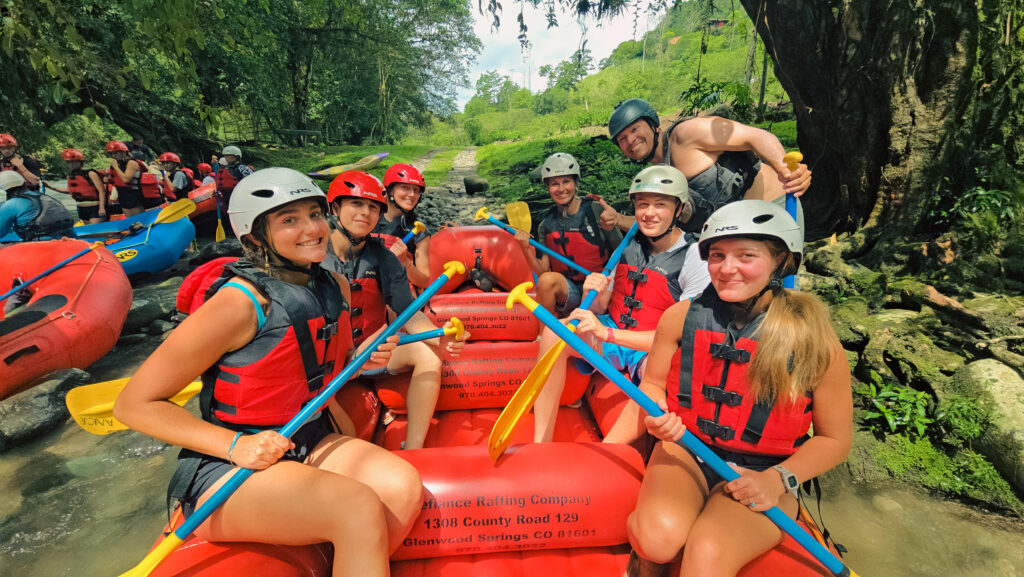
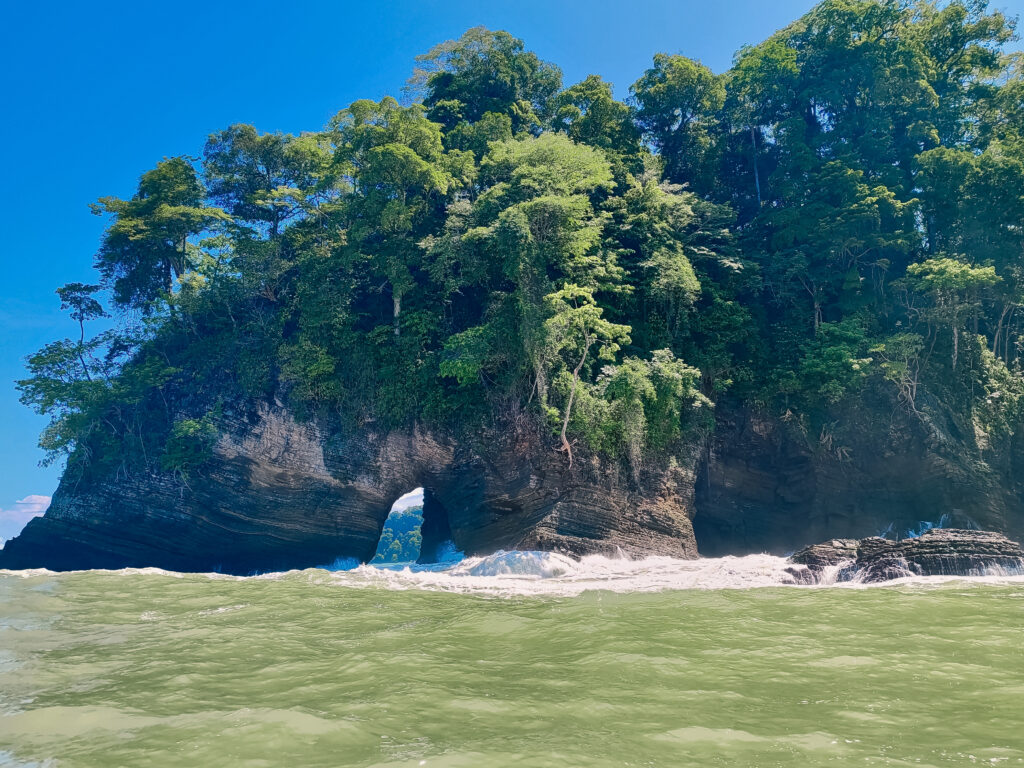
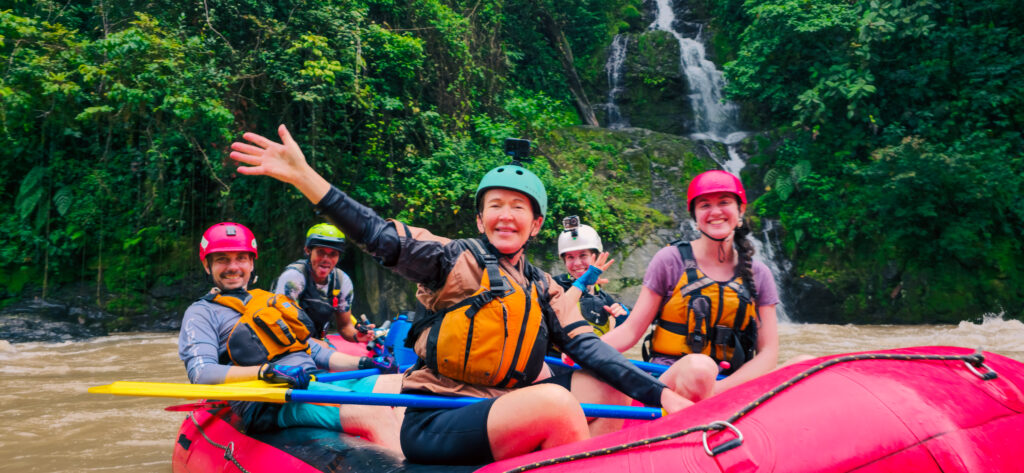
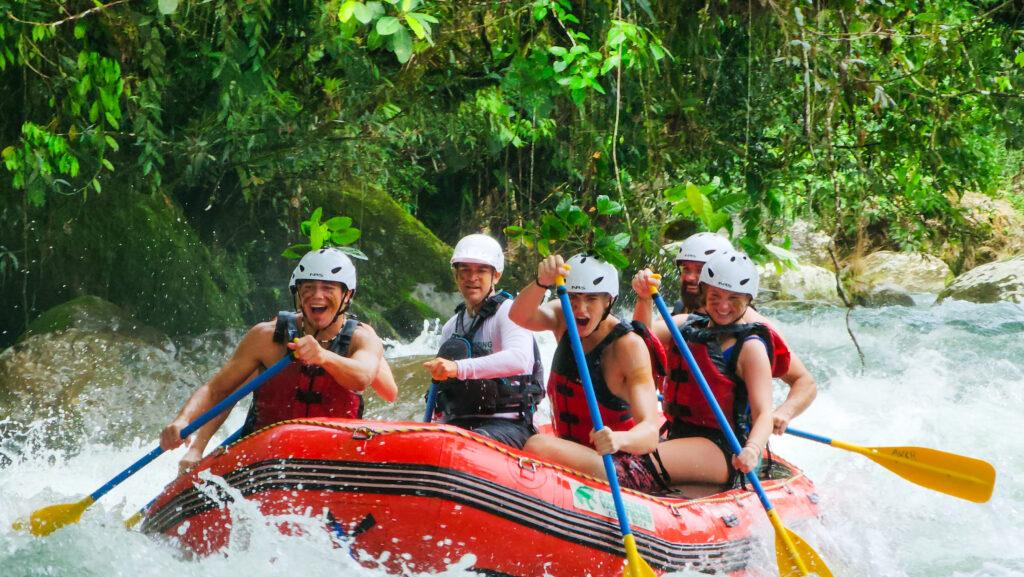
My second trip was with my son and his family and they planned a more adventurous trip. We were rafting on three different rivers, surfing at the beach, hiking in national parks (mostly in the rain – I think it waited each time until we were on the trail). We looked for frogs at night and stayed in a unique “jungle camp” lodge overlooking the Pacuare River. We toured two different animal rescue sanctuaries, went to butterfly gardens, and saw some awesome waterfalls.
During my first trip, it was unseasonably dry and it did not rain. The second trip had a mix of sun and bone-soaking rain. (It takes significant rain to keep the rainforest green.)
Packing List
I asked my son what his packing list was before my second trip to Costa Rica. It included a bathing suit, rash guard, a couple of pairs of shorts, and a pair of long pants. His list was minimal, and didn’t include many things which I wanted to have. With this in mind, I am sharing my packing list for any of the grandmas who may wonder how I will pack on my next visit.
Jean’s Packing List for a trip to Costa Rica
- A smaller wheeled suitcase and a backpack or duffle bag work better than a large suitcase. You will be carrying your own luggage from the van to your room in some of the places we stay.
- Small backpack or large purse (day bag)
- Shoes: flip flops with arch supports; water shoes (also good to wear when hiking in the rain); tennis shoes (only wore on the plane and once in Costa Rica. They got soaked on a hike and were still wet three days later); consider closed toe crocs? – leather sandals and shoes are fine until it rains (which it does some days)
- Poncho: (I spent less than $10 on mine, but it was thicker than the disposable ones they sold at tourist shops.) I used mine multiple times. (Your pants or below knee length capris will still get soaked unless they can be rolled up well above the knee) Keep this in your day bag.
- Raincoat: I had a Columbia water repellent jacket and it was useless in the pouring rain. When it rains in the rainforest, you can be soaked to the bone in 30 seconds – that’s why I recommend a poncho or 100% water repellent jacket.
- Hoodie or zipper sweatshirt: wear on the plane and in the evenings at jungle camp (or after you get soaked hiking in the rain and need to warm up)
- Underwear: bring one pair for each day you are there, unless you are spending lots of time in a bathing suit at the beach or on the river (On some vacations, especially when traveling in Europe, I have planned on handwashing a few pairs for reuse. If your underwear is mostly cotton, it can take days to dry out.) Some tourist hotels have a service to wash and dry your clothes, but don’t count on it.
- Bathing suit: two-piece bathing suits are easiest when you are wearing them all day and have limited bathroom access. If you are with family and doing multiple days of beach and river, bring two suits (beach sand can take MANY washings in the sink to get all of the sand out)
- Rash guard SPF 50 shirt: bring one for each bathing suit
- Capris or shorts: 4 pairs – MUST be light weight, quick drying – NO COTTON or DENIM! They take days to dry out if they get wet – zippers on pockets are preferred. Some of mine are SPF 50. Consider bringing a pair that are longer than your bathing suit bottoms, but shorter than capris.
- Pants: 2 pairs – MUST be light weight, quick drying (plus the pair of pants you wear on the plane) – zippers on pockets preferred
• Pants that zip off to become shorts: consider buying one pair (I didn’t have them on this trip and wished several times that I had a pair) This could be one of two pairs of pants.
• Short sleeved t-shirts: 6-7 shirts – light weight (try to stick with two or three colors that will match all of your pants and shirts) - Long sleeved shirt: I have a light weight SPF 50 shirt that I often wear when it is cooler instead of a jacket or when the bugs are out in the evenings
- Hat: bring baseball type cap or whatever sun hat you wear (I brought my floppy beach hat and I only used it once. My SPF 50 lightweight baseball cap worked out better.)
- Dry bag and wet bag: dry bag if you’re around water at the beach or river and need to keep a change of clothes and valuables dry – wet bag to keep wet clothes and shoes separate from the dry clothes
- Mesh bag: use for a separate pair of clean clothes you carry in your day bag or backpack at all times. We weren’t prepared with these and could have used them multiple times
- Lightweight towel: pack if you are planning for beach days
- Night shirt or pajamas: one pair
- Socks: 3-4 pair; depends on activities (water related, hiking, etc.) – I used flip flops and water shoes most of the time
- Sunscreen: Use it every day, even when you think you don’t need it! You are closer to the equator than in the US and get more direct sun.
- Insect repellent: especially apply in the evenings – make sure it contains DEET
- Water bottle you can refill: all of the places we went except the beach and jungle camp you could drink water from the tap – otherwise, there were large jugs that we refilled our bottles with (this should fit in your daypack)
- Medications/medicine: Bring enough prescription medication for all of the days of the trip, plus a few days extra in case of emergencies. Also include things you might need like headache pills, antihistamines/decongestants, pills for upset stomach/digestion issues, motion sickness medicine (some roads through the mountains are narrow with lots of twists and turns)
- First aid kit: multiple sizes of bandages, butterfly bandage, disinfectant, Neosporin
- Toiletries: hair brush, elastics, lotion, shampoo (some hotels have one liquid soap to use for everything – washing and hair), toothpaste, toothbrush, deodorant, make up (very little-mascara washes off in the rain), Kleenex tissues (only one hotel provided these)
- Snacks: avoid chocolate covered granola type bars – they melt all over the wrapper) You can buy lots of snacks when you stop as well
- Electronic chargers for phone, iPad: all hotels had Wi-Fi
- Book
- US money in smaller bills for tips ($5, $10, $20): Everyone in Costa Rica accepts US currency. Bring at least 10% of the total cost of your trip for tips for people who help with luggage at the airport, guides, and drivers. They give you excellent service and go out of the way to help you. Though not required, most tourists want to give tips. You can use your credit cards in stores and restaurants (VISA – not American Express or Discover Card). You DO NOT need to get Costa Rican money.
- Don’t bring: hair dryer, curling iron (there is SO much humidity that these were useless for my strait hair type), thick cotton/denim pants or shirts, bulky coats
Other Things to Remember
- Be flexible – don’t have expectations that everything will be the same as in the USA.
- Bathrooms all have flush toilets, but like most all of Central America and some places in Europe, toilet paper goes into a covered garbage can next to the toilet and is not flushed. This is emptied daily. The sewer systems just aren’t made like they are in the USA to process paper waste.
- Expect occasional uneven surfaces on some cement sidewalks and steeper ramps than we have in the USA. If you need to use a walker or wheel chair to get around, this tour will be a challenge in some places.
- If you plan to buy lots of souvenirs, bring a collapsible, soft-sided bag that fits in your suitcase since your two small bags will likely be full if you follow this list.
I promise that Amazing Vacations really will make your tour memorable and exceed your expectations. When weather, road conditions, or transportation issues throw an unexpected curve, your guide will be ready with another activity. The food is great. I didn’t have a bad bite in two weeks! The fresh fruit, including the best ripe pineapple in the world, is something that I am still dreaming about. Best of all are all of the wonderful people I met, who gave me exceptional service and made sure they showed me the best their country has to offer.
Pura Vida!
Written by Jean Tonioli – June 28, 2023
One Response
Stephen Bechtel here in TURRI
First class all the way.
AWESOME experience!!!!