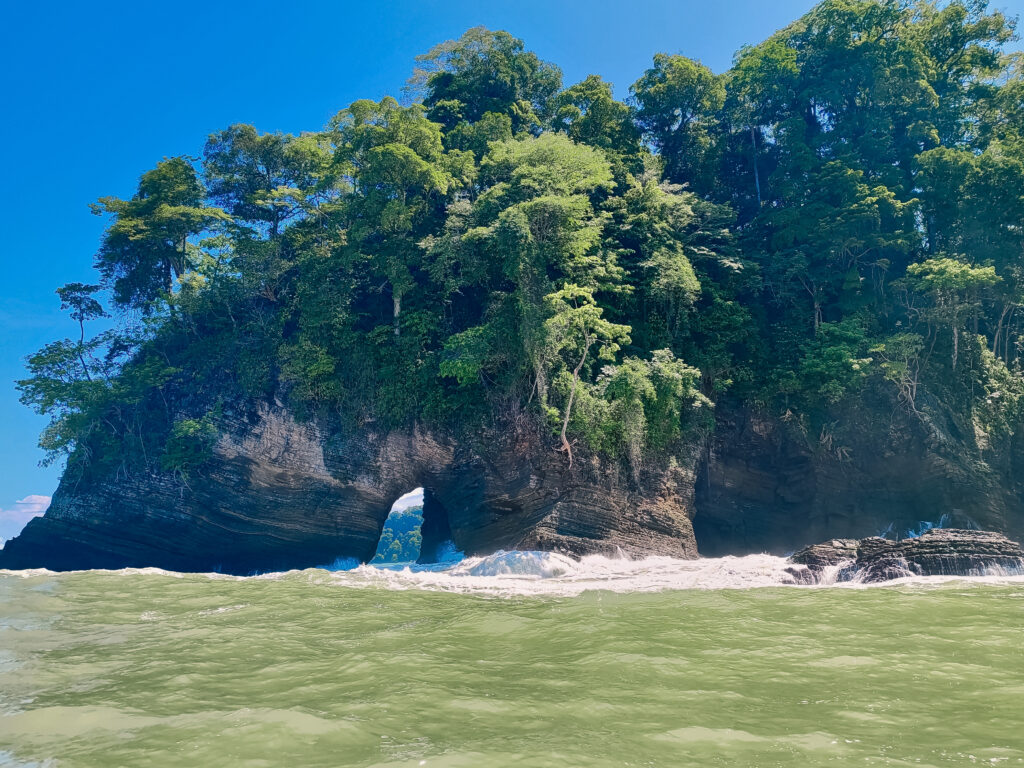
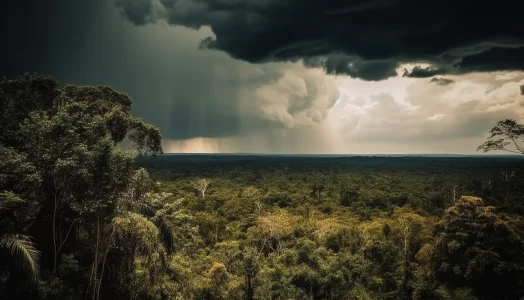
Costa Rica, a jewel of Central America, is renowned for its lush rainforests, pristine beaches, and vibrant culture. It’s a dream destination for many, but if you’re planning a trip, you may wonder: Is there a hurricane season in Costa Rica? Understanding the weather patterns in this tropical paradise is crucial to ensure your visit is as enjoyable and safe as possible.
Understanding Costa Rica’s Climate
Costa Rica has a tropical climate characterized by two primary seasons: the dry season (locally known as Verano) and the rainy season (invierno). The dry season typically lasts from December to April and offers warm and sunny weather. On the other hand, the rainy season runs from May to November and brings frequent afternoon showers and lush green landscapes.
While Costa Rica experiences plenty of rainfall, it is fortunate to lie outside the main hurricane belt of the Atlantic. However, this doesn’t mean the country is entirely immune to the effects of hurricanes.
Hurricane Season in the Region
The Atlantic hurricane season officially runs from June 1 to November 30, with the peak occurring between August and October. During this period, hurricanes primarily affect countries in the Caribbean and the Gulf of Mexico. Although Costa Rica is on the Pacific side of Central America, it can sometimes experience indirect effects from hurricanes passing through the region, such as heavy rains and strong winds.
How Hurricanes Affect Costa Rica
While Costa Rica doesn’t experience direct hits from hurricanes often, there have been a few notable exceptions in history. Hurricanes that pass through the Caribbean Sea or Gulf of Mexico can bring significant rainfall, leading to:
- Heavy Rain and Flooding: Prolonged or intense rainfall can cause rivers to overflow, leading to localized flooding, particularly in low-lying or coastal areas.
- Landslides: In mountainous regions, saturated soil from heavy rains can result in landslides, posing risks to infrastructure and transportation.
- High Winds: Though rare, strong winds can damage buildings, crops, and trees, especially in areas closer to the Caribbean coast.
One of the most significant weather events in Costa Rican history was Hurricane Otto in 2016. Since records began, it was the first hurricane to make direct landfall in the country. Otto brought widespread flooding and damage, particularly in the northern regions.
Best Time to Visit Costa Rica
Given the potential for extreme weather during the regional hurricane season, you may wonder when is the best time to visit Costa Rica. The answer depends on your travel goals:
- Dry Season (December to April): This is ideal for beachgoers, hikers, and adventure seekers looking for sunny days and minimal rainfall. However, this is the peak tourist season, so expect higher prices and more crowds.
- Rainy Season (May to November): Often called the “green season,” this is the best time to experience Costa Rica’s lush landscapes and waterfalls. It’s perfect for those who enjoy fewer crowds and don’t mind a daily afternoon shower. Keep in mind, however, that September and October tend to have the heaviest rains, which could impact travel plans.
Tips for Traveling During Hurricane Season
If your travel dates coincide with the regional hurricane season, here are a few tips to ensure a safe and enjoyable trip:
- Stay Informed: Monitor weather updates and advisories from reliable sources, such as the National Hurricane Center or Costa Rica’s National Meteorological Institute (IMN).
- Plan for Rain: Bring waterproof clothing, sturdy footwear, and waterproof bags to protect your belongings during sudden downpours.
- Travel Insurance: Consider purchasing comprehensive travel insurance that covers trip cancellations, delays, and weather-related disruptions.
- Flexible Itinerary: Be prepared to adjust your plans if heavy rains or flooding impact certain areas. Many tourist destinations in Costa Rica offer alternative activities, such as indoor cultural experiences or wildlife viewing in sheltered areas.
- Local Advice: Always heed the advice of local authorities and tour operators, who have firsthand experience and knowledge of weather patterns and safety protocols.
Regional Variations in Weather
Costa Rica’s diverse geography means that weather conditions can vary significantly from one region to another, even during the same season. Here’s what to expect in different areas:
- Pacific Coast: Generally drier than the rest of the country, especially during the dry season. Rainy season showers tend to be short-lived.
- Caribbean Coast: Experiences more consistent rainfall year-round, with a slight reduction during September and October.
- Central Valley: Home to San José and other major cities, this region enjoys mild temperatures and moderate rainfall, making it a comfortable destination year-round.
- Northern Lowlands: Includes areas like Arenal and Monteverde, which experience cooler temperatures and frequent rain, especially during the rainy season.
Conclusion
While Costa Rica does not have a distinct hurricane season, it can experience indirect impacts from hurricanes in the region. Travelers planning a visit during the Atlantic hurricane season should be aware of potential weather disruptions and prepare accordingly. Whether you prefer the sunny skies of the dry season or the vibrant greenery of the rainy season, Costa Rica offers a wealth of natural beauty and adventure year-round.
By understanding the country’s climate and taking precautions, you can make the most of your Costa Rican getaway—rain or shine.
Ready to plan your Costa Rican adventure?
Experience the wonders of Costa Rica with Amazing Vacations Costa Rica! We craft personalized adventures, from thrilling activities to peaceful escapes. Let us handle the details while you enjoy breathtaking beaches, rainforests, and cultural gems. Contact us today to start planning your unforgettable journey!
FAQs About Hurricane Season in Costa Rica
1. Does Costa Rica have an official hurricane season?
No, Costa Rica does not have an official hurricane season like the Atlantic region. However, the country can experience indirect effects from hurricanes that develop in the Caribbean and Gulf of Mexico, such as heavy rainfall and strong winds, particularly between June and November.
2. What areas of Costa Rica are most affected by hurricanes?
The Caribbean coast of Costa Rica is more susceptible to the indirect effects of hurricanes, such as increased rainfall and occasional flooding. The Pacific coast and Central Valley generally experience milder weather conditions during hurricane season.
3. Has Costa Rica ever been hit by a hurricane?
Yes, while rare, Costa Rica has experienced direct impacts from hurricanes. The most notable example is Hurricane Otto in 2016, which made landfall in the northern part of the country, causing significant flooding and damage.
4. What should travelers do if a hurricane is approaching Costa Rica?
Travelers should monitor weather updates from reliable sources such as Costa Rica’s National Meteorological Institute (IMN) and follow any advisories from local authorities. It’s also advisable to have an emergency plan, stay in safe accommodations, and avoid traveling to flood-prone areas.
5. Is it safe to travel to Costa Rica during the Atlantic hurricane season?
Yes, it is generally safe to travel to Costa Rica during the Atlantic hurricane season, but travelers should be prepared for increased rainfall, particularly in September and October. Packing rain gear, having flexible travel plans, and staying informed about weather conditions can help ensure a smooth trip.