Understanding Costa Rica’s rainy season is essential for planning the perfect trip. This blog post explores the rainiest months in Costa Rica, what to expect during this time, and how to make the most of your visit.
Understanding Costa Rica’s Climate
Costa Rica has a tropical climate, meaning it experiences two main seasons: the dry season (summer) and the rainy season (winter). The dry season typically runs from December to April, while the rainy season spans from May to November. However, the intensity and timing of rainfall can vary significantly depending on the region.
The Rainiest Months: September and October
The rainiest months in Costa Rica are September and October, especially in the Pacific Coast and Central Valley regions. During this time, the country experiences heavy downpours, often in the afternoon or evening. The mornings are usually dry, offering a window for outdoor activities before the rain begins.
In contrast, the Caribbean Coast experiences a slightly different pattern. While the Pacific Coast is drenched in rain, the Caribbean side enjoys some of its driest weather during these months, making it an excellent alternative for travelers who want to avoid the heaviest rains.
What to Expect During the Rainy Season
Traveling to Costa Rica during the rainy season offers a unique perspective on the country’s natural beauty. Here’s what you can expect:
- Lush Greenery
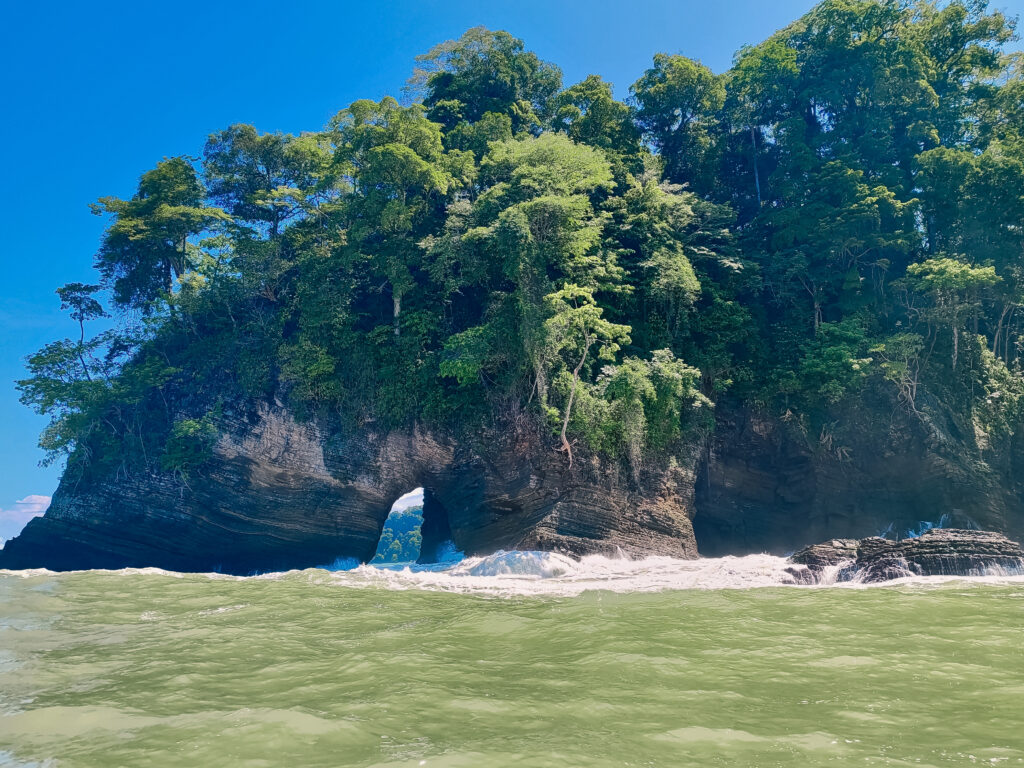
The rainy season transforms Costa Rica into a verdant paradise. Forests, hills, and fields come alive with vibrant greenery, making it an ideal time for nature lovers and photographers. - Afternoon Showers
Rain typically falls in the afternoon or evening, leaving mornings relatively dry. This allows for outdoor adventures like hiking, zip-lining, or exploring wildlife before the rain sets in. - Lower Prices and Fewer Crowds
The rainy season is considered the low tourist season, leading to significant discounts on accommodations, tours, and flights. Additionally, fewer tourists mean you can enjoy popular attractions without the crowds. - Challenging Road Conditions
Heavy rains can cause flooding and landslides, particularly in remote areas. Travelers should exercise caution, especially when driving on unpaved roads. - Spectacular Storms
The rainy season often brings dramatic thunderstorms, providing a spectacular show of lightning and thunder. These storms are a sight to behold but also a reminder to stay safe indoors during severe weather.
Regional Differences in Rainfall
Costa Rica’s climate varies by region, affecting the timing and intensity of rainfall.
Pacific Coast
The Pacific Coast, including popular destinations like Guanacaste, Manuel Antonio, and the Osa Peninsula, experiences its heaviest rainfall in September and October. Despite the rain, mornings can still be sunny, offering opportunities for beach activities and wildlife tours.
Central Valley
The Central Valley, home to the capital city of San José, follows a similar pattern to the Pacific Coast. While the afternoons may see heavy rain, mornings are often pleasant, making it possible to explore urban and cultural attractions.
Caribbean Coast
The Caribbean Coast has a different rainfall pattern. Its rainiest months are typically July and November, with a mini dry season in September and October. This makes it an excellent destination during these months when the Pacific side is experiencing peak rainfall.
Northern Region
The Northern Region, including Arenal Volcano and Monteverde, experiences moderate rainfall throughout the year, with heavier rains during the rainy season. However, this area’s unique climate means visitors can enjoy its cloud forests and hot springs year-round.
Tips for Traveling During the Rainy Season
Traveling to Costa Rica during the rainy season can be rewarding if you’re well-prepared. Here are some tips to make the most of your trip:
- Pack Accordingly
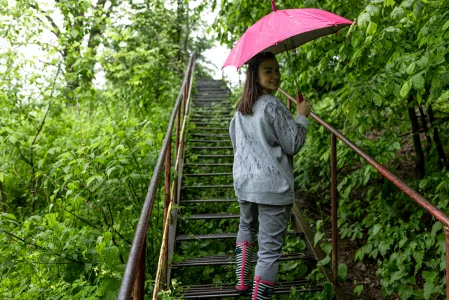
Bring lightweight, quick-drying clothes, a waterproof jacket, and sturdy hiking boots. Don’t forget a rain cover for your backpack and waterproof cases for electronics. - Plan Morning Activities
Schedule outdoor activities in the morning when the weather is usually dry. Reserve the afternoons for indoor experiences, such as visiting museums, cooking classes, or relaxing at your accommodation. - Stay Flexible
Weather conditions can change quickly, so keep your itinerary flexible. Have backup plans for rainy afternoons, such as spa visits, yoga classes, or enjoying local cuisine. - Embrace the Rain
Don’t let the rain deter you from experiencing Costa Rica’s beauty. Some activities, like white-water rafting, are even better during the rainy season due to higher water levels.
Why Visit During the Rainy Season?
While the rainy season might seem daunting, it offers unique advantages that make it worth considering. You’ll enjoy a more peaceful experience, with fewer tourists and better deals. Plus, the lush landscapes and dramatic weather create unforgettable memories.
Understanding Costa Rica’s rainy season is key to planning a successful trip. With the heaviest rains falling in September and October, travelers can still enjoy this tropical paradise by choosing the right regions and activities. Whether you’re exploring the vibrant rainforests or relaxing on the Caribbean Coast, Costa Rica promises a remarkable adventure, rain or shine.
Ready to plan your Costa Rican adventure?
Experience the wonders of Costa Rica with Amazing Vacations Costa Rica! We craft personalized adventures, from thrilling activities to peaceful escapes. Let us handle the details while you enjoy breathtaking beaches, rainforests, and cultural gems. Contact us today to start planning your unforgettable journey!
Frequently Asked Questions (FAQs)
1. What activities can I do in Costa Rica during the rainy season?
Despite the rain, Costa Rica offers a wide range of activities during the rainy season. You can enjoy morning hikes, wildlife tours, and adventure activities such as zip-lining and white-water rafting. Indoor activities like visiting museums, coffee plantation tours, and spa treatments are also excellent options. Additionally, the rainy season is ideal for surfing, as the swells are often stronger and more consistent.
2. Are national parks open during the rainy season in Costa Rica?
Yes, Costa Rica’s national parks remain open throughout the year, including the rainy season. However, some trails may be closed due to flooding or maintenance. It is advisable to check with park authorities before visiting and to wear appropriate waterproof gear when exploring rainforests and cloud forests.
3. How should I prepare for the weather when traveling during the rainy season?
Packing appropriately is key to enjoying your trip during the rainy season. Essentials include a waterproof jacket, quick-drying clothing, sturdy waterproof footwear, and a rain cover for backpacks. It’s also recommended to carry insect repellent, as mosquitoes are more prevalent during this time.
4. Is it cheaper to visit Costa Rica during the rainy season?
Yes, the rainy season is considered the low tourist season, which means lower prices on accommodations, flights, and tours. Many hotels and resorts offer significant discounts, making it an excellent time for budget travelers to explore the country.
5. How does the rainy season affect wildlife viewing in Costa Rica?
The rainy season is actually a great time for wildlife viewing. Many animals, including frogs, birds, and monkeys, are more active due to the lush environment and increased food availability. Birdwatchers, in particular, will find this season rewarding as migratory birds return to Costa Rica.